07/13/26
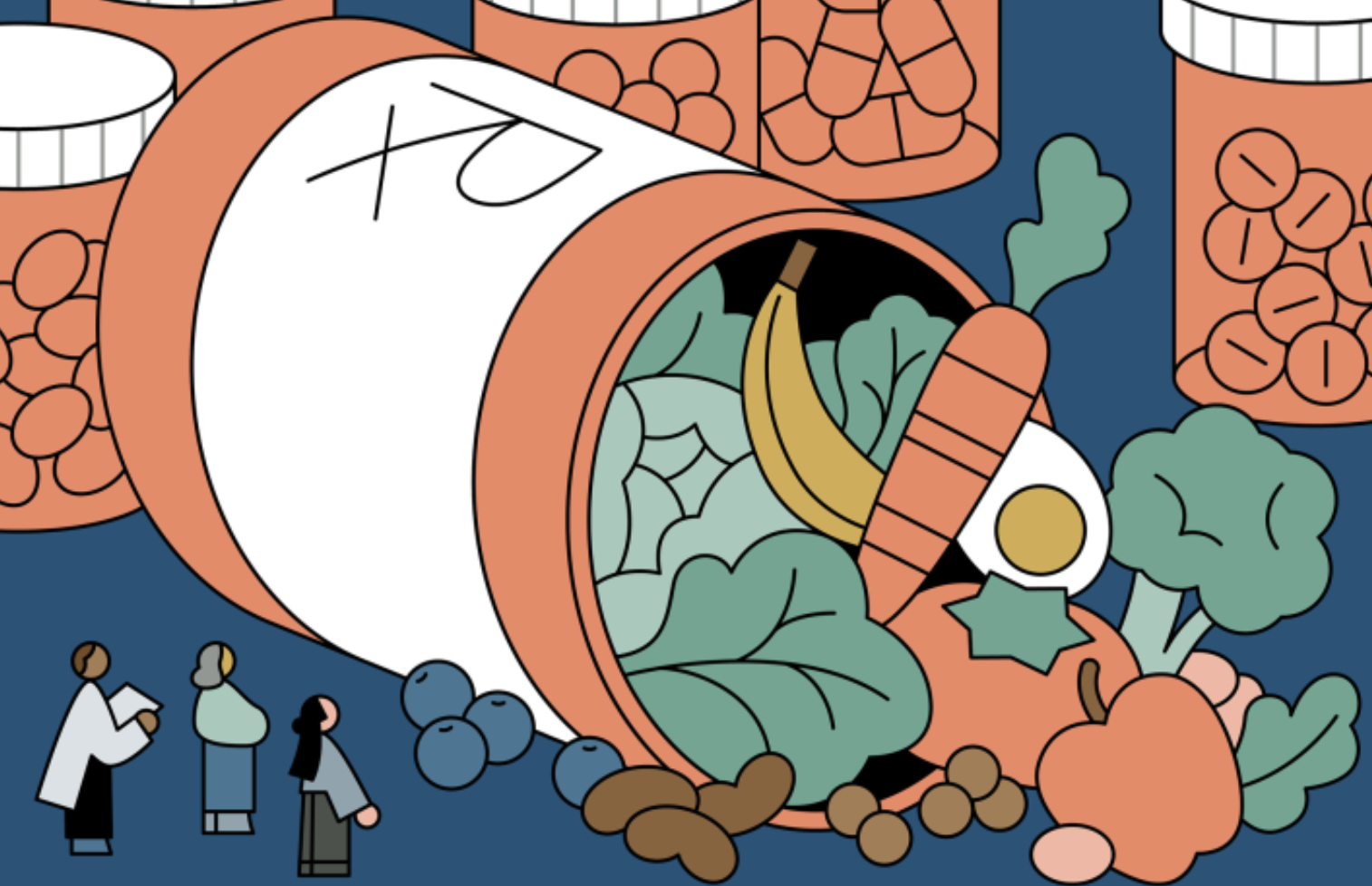
We are in an exciting era of health care innovation, especially when it comes to addressing drivers of health such as food insecurity, housing instability, and transportation barriers (also called health–related social needs [HRSN]). For example, innovative programs might provide food subsidies or medically tailored meals to address the barrier to heathy eating that food insecurity represents, or provide housing to combat the health harms of homelessness.
The growth of such innovations raises an important question: What tools should policy makers use to evaluate these interventions’ likely impact? When making decisions about how to allocate finite resources, a common approach is to use return on investment (ROI) analysis…
Read the full article from Health Affairs